
Cash isn’t risk-free. It’s just a different kind of risk.
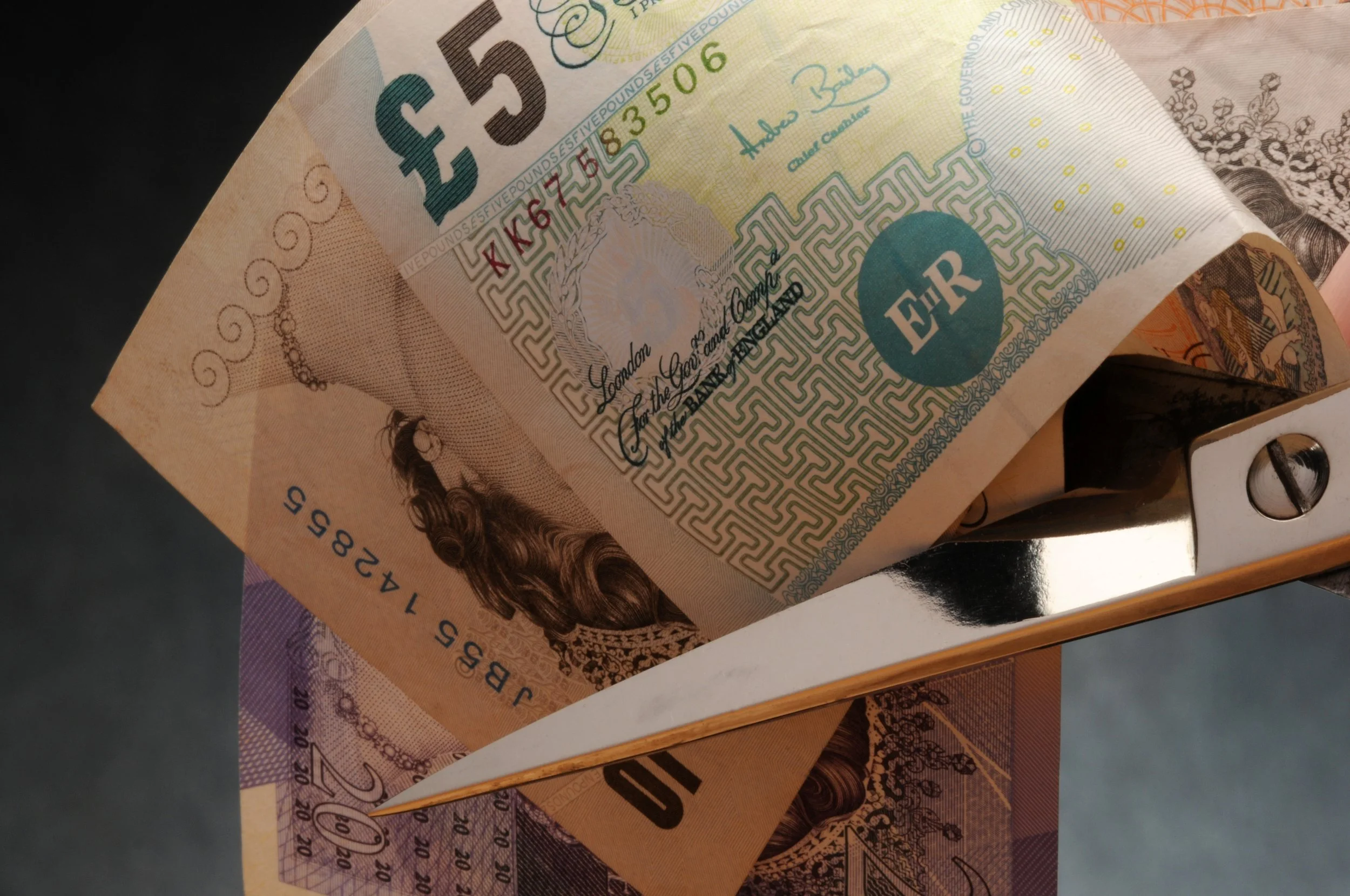
Cash seems to be having something of a comeback.
Earlier this year, cash transit firm Loomis reported that cash withdrawals and usage had risen for the third year running. Perhaps it’s not surprising given the world we’re living in. When things feel uncertain, there’s something reassuring about money you can see, count and know exactly where it is.
And 2026 hasn't exactly been short of uncertainty. We’ve had further geopolitical upheaval, with conflict in Iran and the wider Middle East affecting global energy supplies and feeding through to prices here in the UK. Inflation rose to 3.1% in August, with transport – particularly motor fuels – making the largest upward contribution.
Of course, when we talk about ‘holding cash’, we don’t just mean notes in your wallet. It could be money sitting in a current or savings account, a fixed-term deposit, or a sizeable cash allocation within an investment portfolio.
And right now, holding more of it can feel particularly appealing from an interest rate perspective. The Bank of England rate currently stands at 3.75%, which is a world away from the 0.1% rate we saw at the end of 2021, when holding large amounts of cash often meant accepting almost no return at all.
So if you have a substantial sum sitting in a savings account or fixed-term deposit and it is generating a healthy amount of interest, leaving it there can feel like the obvious low-risk option. Your capital isn't moving up and down with the markets, you can see the interest being added, and – depending on the account – you may be able to access the money relatively easily.
But that doesn't make cash risk-free. It simply comes with different risks, some of which are much less visible than a fall in investment markets.
The risk that tax reduces your return
Let’s imagine you have £500,000 earning 4% interest. That's £20,000 over a year, which sounds pretty good – and the £500,000 itself is still there.
But if you’re an additional-rate taxpayer and that interest is taxable, you could pay 45% tax on it. (Additional-rate taxpayers don't receive a Personal Savings Allowance.) So, in this simplified example, your £20,000 of interest becomes £11,000 after tax. That equates to a 2.2% return on the original £500,000.
With UK inflation currently running at 3.1%, the balance on your statement may still be going up while, in real terms, the spending power of that money is being eroded.
Nothing has crashed, there are no alarming red numbers to look at, your cash may even have grown, but that doesn’t necessarily mean you’re better off financially - once tax and inflation are taken into account, your money may actually have lost spending power.
And this is where people can confuse volatility with risk.
Volatility is visible. Other risks aren't
Volatility is simply the movement in value of an investment, so if £100,000 invested in markets falls to £90,000, you notice. The movement is visible and, understandably, it can feel uncomfortable. This is why people feel that cash is safer – it doesn’t jump around in value as much - but that doesn’t mean it isn’t risky.
Risk is broader than just tax and includes the risk that your money doesn’t achieve what you need it to achieve. For someone with a long time horizon, that might mean having too much money sitting in cash and discovering years later that it hasn’t grown enough to support the lifestyle, retirement or legacy they had planned.
So avoiding market fluctuations doesn’t necessarily mean avoiding risk. But how do you get the balance right between holding the ‘right’ amount of cash that feels helpful but isn’t risky?
There isn’t one figure that works for everyone - cash has an extremely important role in a financial plan – so we think a better place to start with this is: “What is this money for, and when will I need it?” Once you know that, you can start matching your money to its purpose.
One of the most common things we hear from people nervous about investing their money is: “I'll wait until things settle down,” which is entirely understandable. But think back over the past few years: we've had a pandemic, inflation, rapidly changing interest rates, elections, war in Ukraine and now renewed conflict in the Middle East. There is almost always a reason to believe that now might not be the ideal time. And there probably always will be.
Financial planning isn’t about predicting when the world will finally become calm enough to invest. Nor is it about avoiding cash because investing is somehow automatically better. It’s about making deliberate decisions.
At Newark Wealth, when we build a financial plan, we look at short-term requirements alongside the much longer-term picture. We ask:
What needs to be secure and accessible?
What might you need in five years?
What could remain invested for 10, 15 or 20 years?
And how much risk do you actually need to take to achieve what you want?
Because there is no such thing as completely avoiding financial risk. The real aim is to understand which risks you're taking – and whether they're the right ones for you.
Cash can be exactly the right place for some of your money - the danger is assuming that because it feels safe, it is risk-free.
Please get in touch if you’d like to know more.
This article is general information, not financial advice or a personal recommendation. Everyone's situation is different, and the right move for you depends on yours, so let's talk it through before you do anything.
The information here is correct as of 25 September 2026.